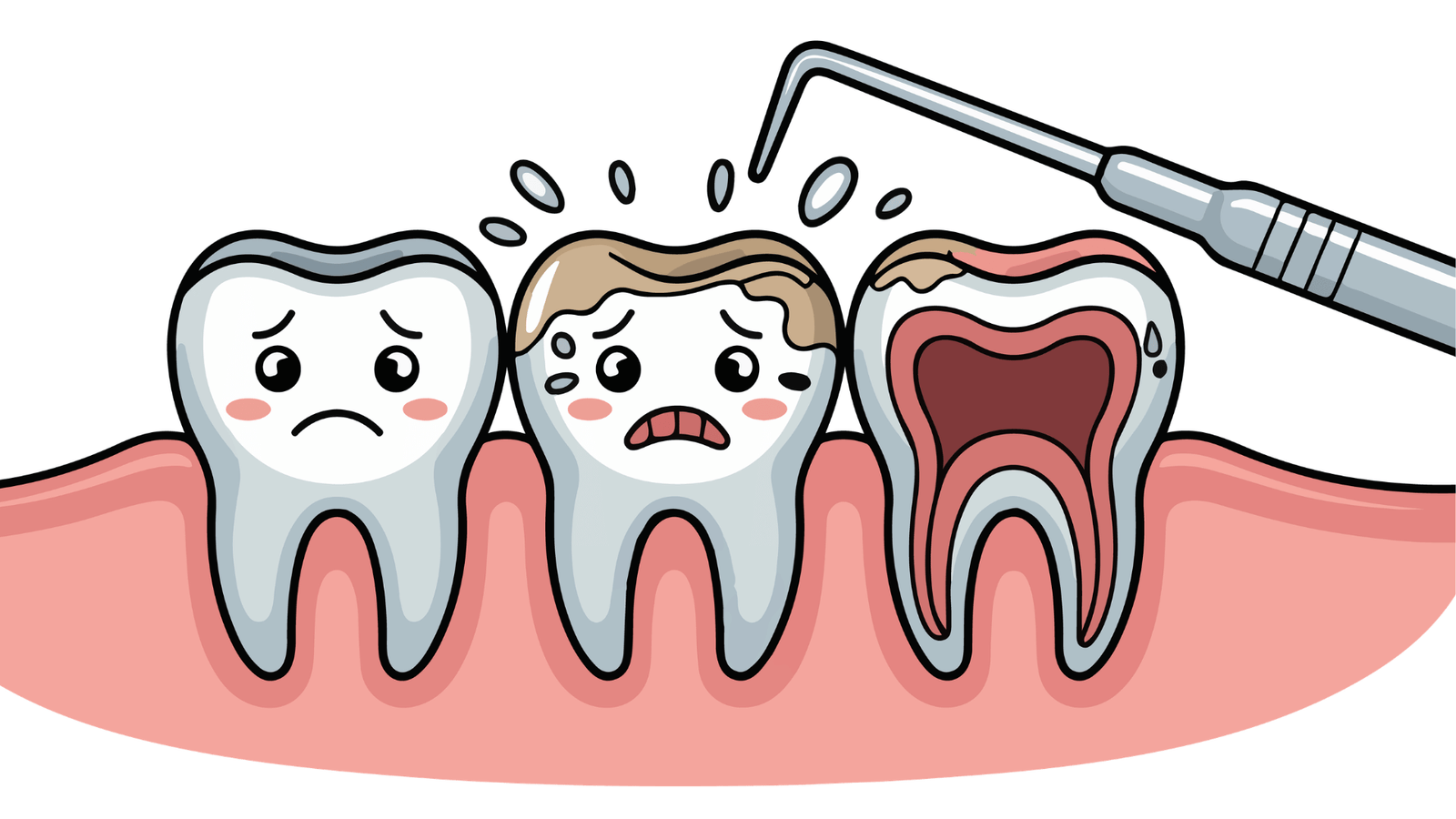
Your teeth are more than just a tool for chewing, they’re a reflection of your overall health. Taking care of them is crucial, not only for a radiant smile but also for preventing dental issues such as cavities and gum disease. While brushing and flossing are essential, there are natural methods you can incorporate into your daily routine that will take your oral health to the next level. World Oral Health Day on March 20th is a perfect opportunity to learn how simple, natural methods can protect your teeth from decay and gum disease. Let’s explore five natural ways to keep your smile sparkling and your mouth healthy.
Nature has provided us with a bounty of foods that can help maintain healthy teeth, and crunchy fruits and vegetables top the list. Carrots, apples, celery, and cucumbers work wonders for your teeth. These fibrous foods naturally scrub plaque and food particles from your teeth while promoting saliva production, which helps neutralize acids in your mouth.
Why it works: The high water content in these foods helps to wash away food particles, and the crunchiness stimulates gums, promoting better circulation. Apples, rich in vitamin C, help to strengthen gums, while carrots are high in vitamin A, essential for maintaining enamel health.
Oil pulling, an ancient practice from Ayurveda, has recently gained popularity for its oral health benefits. Coconut oil, in particular, contains lauric acid, which has natural antibacterial, antiviral, and anti-inflammatory properties. Swishing coconut oil around in your mouth for 10–15 minutes can help remove harmful bacteria, reduce plaque buildup, and freshen your breath.
Why it works: The oil helps trap bacteria, viruses, and toxins in your mouth, preventing them from sticking to your teeth and gums. It’s an excellent addition to your oral care routine, especially for those looking for a natural mouthwash alternative.
Green tea isn’t just a soothing beverage, it’s packed with antioxidants, particularly catechins, which fight bacteria and promote healthy gums. Studies have shown that drinking green tea regularly can reduce the risk of gum disease, cavities, and bad breath. It also helps neutralize harmful acids in your mouth.
Why it works: Catechins in green tea have been shown to reduce bacteria in the mouth, helping to prevent gum disease. Plus, it helps lower the acid levels in your mouth, reducing the likelihood of enamel erosion.
Baking soda is an effective natural tooth cleaner that has been used for centuries. Its mild abrasive properties help to scrub away plaque, surface stains, and food particles, leaving your teeth feeling clean and smooth. It’s an excellent, affordable alternative to commercial toothpaste.
Why it works: Baking soda helps neutralize acids in your mouth while gently removing debris. It’s also effective in whitening your teeth naturally.
Vitamin D is essential for overall bone health, and it plays a vital role in maintaining strong teeth. It helps your body absorb calcium, which is necessary for maintaining strong teeth and bones. Without enough vitamin D, your teeth can become weak, making them more susceptible to decay.
Why it works: Vitamin D helps promote the absorption of calcium and phosphorus, two vital minerals for dental health. Sun exposure and foods like fatty fish, eggs, and fortified milk are excellent sources of vitamin D.
World Oral Health Day is the perfect reminder to take care of your teeth and gums. Incorporating these natural remedies into your routine will help protect your oral health and keep your smile bright and healthy. From crunching on fiber-rich fruits to oil pulling with coconut oil, nature provides the best tools for your oral hygiene.
For more information on maintaining a healthy smile, visit the World Health Organization.