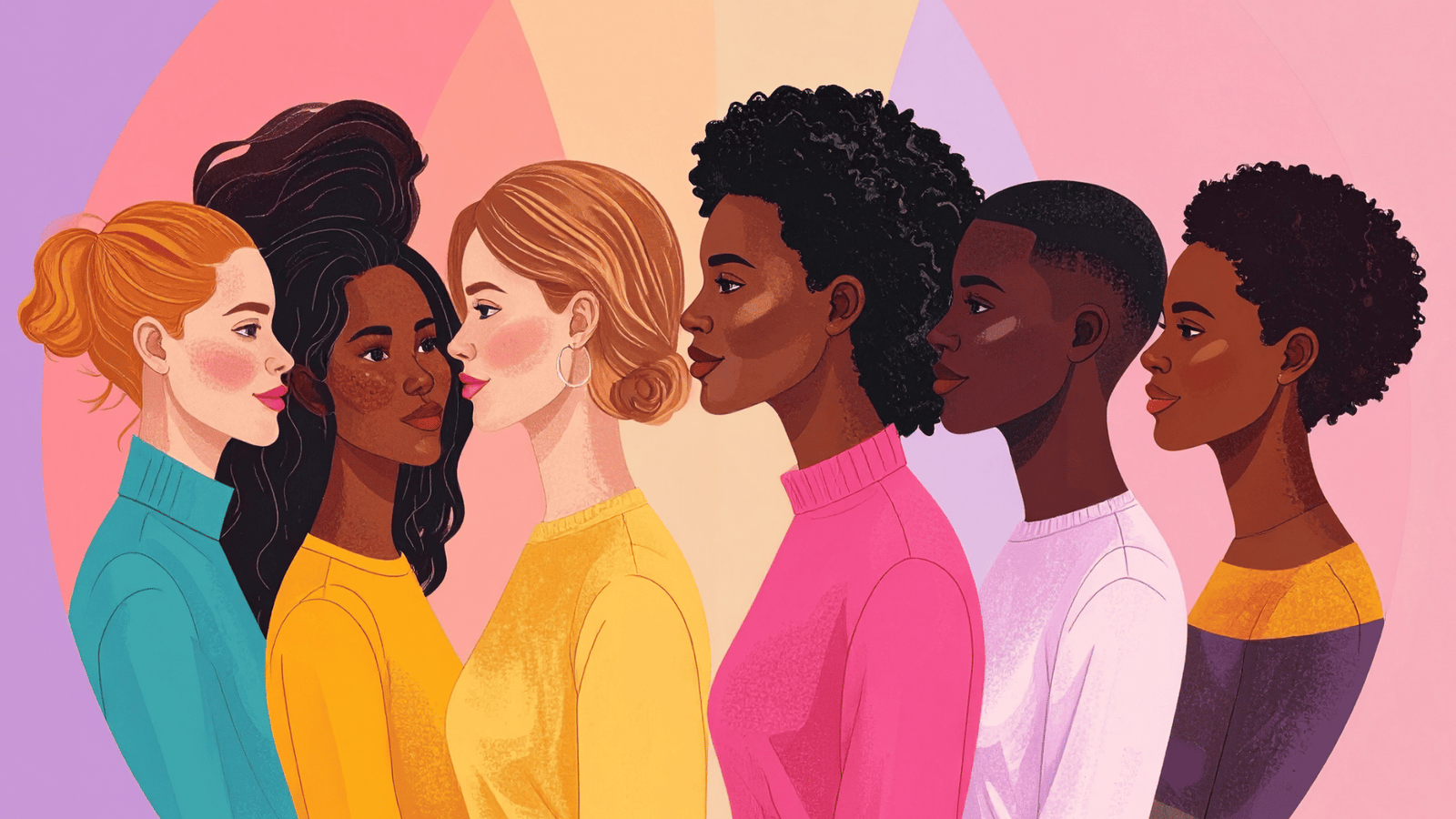
Every March 8, people across the globe celebrate International Women’s Day, a day dedicated to recognizing women’s achievements and advocating for gender equality. But once the celebrations end, an important question remains:
Are women receiving the healthcare support they truly deserve?
While progress has been made, healthcare disparities still affect women worldwide.
Understanding Women’s Unique Health Needs
Women face a range of health conditions that require specialized care, including:
Breast and cervical cancer
Endometriosis
Polycystic ovarian syndrome (PCOS)
Maternal health complications
Hormonal health conditions
According to the World Health Organization, many of these conditions remain underdiagnosed or lack sufficient research funding.
Women who live or work internationally often face additional challenges when seeking healthcare.
These may include:
Language barriers
Different healthcare regulations
Limited access to trusted specialists
High out-of-pocket medical expenses
For globally mobile individuals, having international medical insurance can provide reassurance that quality healthcare is always accessible.
Preventive Care Saves Lives
One of the most effective ways to improve women’s health outcomes is through preventive care. Regular screenings can detect serious diseases early. According to the World Health Organization, early detection significantly improves survival rates for many illnesses affecting women.
Preventive healthcare empowers women to take control of their health.
A Shared Responsibility
Supporting women’s health is not just a medical issue, it is a societal responsibility. Governments, organizations, and healthcare providers must continue working together to:
Improve healthcare accessibility
Promote preventive screenings
Increase awareness of women’s health conditions
International Women’s Day serves as a reminder that investing in women’s health benefits everyone.